What Is a Detroit Beat and Why Does It Sound So Different
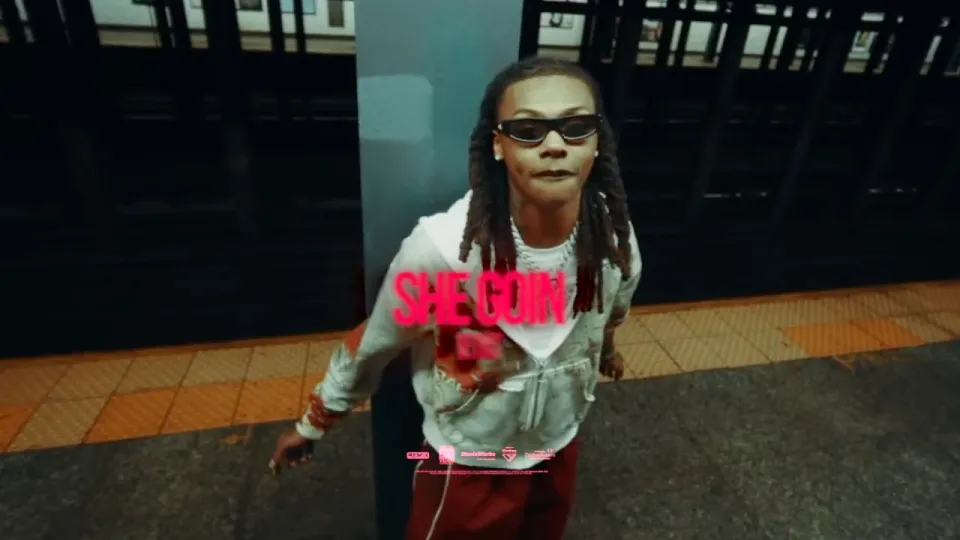
Video: [FREE] “She Goin” - Rio Da Yung OG x Babyfxce E Type Beat | Detroit Type Beat
You can order the same kind of articles for your own video to boost it on YouTube and Google. Just message the Telegram bot @sat_sit_bot. The bot writes and publishes the articles itself (with your YouTube video embedded) on popular topical websites (no ads). Free trial — 50 articles.
· based on the channel Reuel StopPlaying
A Detroit beat is a fast, sparse hip-hop instrumental built around punchy 808 kicks, dark minor-key melodies and off-grid hi-hats, usually sitting between 140 and 160 BPM. It is the production backbone of Michigan rap — Detroit and neighbouring Flint — and it is designed to leave a lot of empty space so a rapper's punchlines land clearly. The free "She Goin" beat by Reuel StopPlaying, tagged for Rio Da Yung OG and Babyfxce E, is a textbook example of the format; you can grab it through the producer's buy-this-beat link or use it free for non-profit releases.
What defines the Detroit beat sound
The Detroit sound is defined less by a single drum kit and more by how much is taken away. Where a lot of mainstream trap stacks pads, counter-melodies and vocal chops on top of each other, a Detroit type beat typically runs one or two melodic elements at a time and lets the drums do the talking. The result feels aggressive and bare at the same time.
The recurring ingredients are consistent:
- Tempo. Most Detroit and Flint instrumentals land in the 140–160 BPM range. That is fast enough that the rapper can ride double-time flows without the beat feeling crowded.
- The 808. Short, clipped and punchy rather than long and boomy. The kick is tuned to hit hard on small speakers and phones, which is where most of this music is first heard.
- Melody. Dark piano lines, bells, detuned synth leads or a low-pass filtered soul sample. Minor keys dominate.
- Drums. Snares and claps are often nudged slightly off the grid, and hi-hats roll in uneven patterns. Producers describe the effect as the beat "clapping" or "slapping" rather than swinging smoothly.
- Space. Long gaps between melodic phrases so the vocal sits alone in the mix.
A Detroit beat is therefore not just a tempo setting. It is an arrangement philosophy: fewer layers, harder transients, more room for the rapper.
Detroit vs Flint vs standard trap
Flint and Detroit are usually discussed together, but they are not identical. Detroit production tends to be a little more melodic and sample-friendly, with piano and R&B-flavoured loops. Flint production leans rawer — harsher 808s, more distortion, and a colder, almost industrial feel. The two scenes share artists, producers and a fanbase, which is why type beat titles frequently list names from both cities side by side.
Compared to standard Atlanta-style trap, the main differences are speed and density. A conventional trap record often sits near 130–140 BPM with layered synth arrangements. A Detroit beat pushes the tempo up and strips the arrangement down. Compared to drill, Detroit beats avoid the sliding 808 glides that define UK and Brooklyn drill and rely instead on a straight, stabbing kick pattern.
If you are producing in this lane, the practical test is simple: play the beat with the melody muted. If the drums alone still carry energy and leave obvious pockets for a vocal, you are close to the Detroit formula.
Artists and producers behind the style
Detroit rap became a nationally visible movement in the late 2010s and has stayed prolific since. The names most often attached to the sound include Rio Da Yung OG, whose deadpan delivery and constant punchlines made him one of the scene's most imitated voices, and Babyfxce E, part of the newer generation carrying the same offhand, joke-dense writing style.
Other artists whose names appear constantly in type beat titles:
- Babytron, known for dense, reference-heavy punchline rap
- Krispylife Kidd and GrindHard E
- RMC Mike, one of the earliest Detroit figures to break through online
- YSR Gramz and AK Bandamont
The producer side is more fragmented. Many of the beats behind these records come from relatively small independent producers who sell through BeatStars, YouTube and direct licensing, which is exactly why the "type beat" ecosystem grew so large around Detroit. A producer tags a beat with two or three artist names, uploads it for free, and the track functions as both a demo and a marketing tool.
How free type beats are licensed and credited
Free type beats are almost never free for commercial use, and the "She Goin" upload makes the terms explicit. The rules on that release are:
- Non-profit use only. You may use the beat for free demos, promotional CDs, personal projects, streaming on YouTube or Facebook, and live shows that do not generate profit.
- No for-profit use. Any monetised release, paid distribution or commercial performance requires a non-exclusive or exclusive licence purchased from the producer.
- Written credit is mandatory. The required format is "Produced by (Producer Name) for SoundFirst Productions", placed on every physical or digital release and in the description of any streaming upload.
- Vocal credit as a fallback. If written credit is genuinely impossible in a given context, a recorded vocal credit must be given instead.
- Terms can change. The producer reserves the right to amend the policy.
In practice, this means a rapper can upload a freestyle over the beat to YouTube without paying, as long as the video is not monetised and the credit line is in the description. The moment the track goes on Spotify, Apple Music or a paid project, a licence is required. Buying the beat outright is handled through the same link used for licensing.
Common questions from artists using the beat
A few concerns come up repeatedly in the comments under Detroit type beat uploads, and they are worth answering directly.
Recording the beat instead of downloading it. Screen-recording a streamed beat technically captures audio, but it also captures compression artefacts and often a producer tag. It is a poor substitute for the actual file, and it does not change the licensing terms — non-profit use is still non-profit use, and for-profit use still needs a purchase.
Removing the video after a sale. Producers generally do not take down a free upload once a beat is sold, but they are also under no obligation to keep it up, and the free version usually stays available for others to use non-commercially. If you need exclusivity, that is what an exclusive licence is for.
Pricing. Beat prices vary widely by producer and by licence type. Non-exclusive leases are typically the cheapest option and allow monetised releases up to a set streaming or sales cap; exclusive licences cost more and remove the beat from sale. The only reliable way to get a number is to ask the producer directly or check the beat store listing.
Sound selection. Producers are frequently asked which 808 or kick was used. The honest answer in most Detroit-style productions is that the specific sample matters less than tuning, shortening the tail and sidechaining it against the melody so the low end stays clean at fast tempos.
Useful links
- Buy or license the beat: https://bit.ly/2mxSONh
- Producer on Twitter: https://twitter.com/reuelethan
- Producer on Instagram: http://instagram.com/Reuelethan
The bottom line on Detroit beats
A Detroit beat is a fast, stripped-down instrumental where punchy 808s, dark minor melodies and loose, off-grid drums leave maximum room for a rapper's delivery. The style grew out of Detroit and Flint rap and is now one of the most imitated sounds in underground hip-hop, with a type beat economy built around artists like Rio Da Yung OG and Babyfxce E. The "She Goin" instrumental from the channel Reuel StopPlaying is a clean demonstration of the formula, and the producer's breakdown of free versus licensed use is a useful template for anyone navigating type beat terms. If you want to record over it legally for a monetised release, head to https://bit.ly/2mxSONh and pick up a licence before you upload.
Key takeaways
- Detroit beats usually sit around 140–160 BPM, noticeably faster than most trap from Atlanta or Memphis.
- The signature low end is a short, punchy 808 kick rather than a long, sustained sub.
- Melodies lean dark and minor — piano, bells, detuned synths, sometimes a sampled soul loop.
- Hi-hats and snares are placed off-grid, which gives the drums a loose, "clapping" swing.
- Rio Da Yung OG, Babyfxce E, Babytron, Krispylife Kidd, GrindHard E and RMC Mike are the names most associated with the style.
Questions & answers
Can I use a free Detroit type beat on YouTube?
Yes, if the upload is non-profit and you credit the producer in the exact format the licence requires. On the "She Goin" beat that means writing "Produced by (Producer Name) for SoundFirst Productions" in the video description. Monetised videos, paid distribution and commercial shows all require a purchased licence.
Why do Detroit beats sound faster than other trap?
Most Detroit and Flint instrumentals sit around 140–160 BPM, which is quicker than the 130–140 BPM typical of Atlanta-style trap. The faster tempo lets rappers use double-time and triplet flows without the beat feeling cluttered, and the sparse arrangement keeps the vocal clear.
Is a Flint type beat the same as a Detroit type beat?
They are closely related and often grouped together, but Flint production tends to be rawer, with harsher 808s and more distortion, while Detroit beats lean slightly more melodic and sample-friendly. The two scenes share artists, producers and audiences, which is why type beat titles usually list names from both cities.
What should I check before buying a type beat licence?
Confirm whether the licence is non-exclusive or exclusive, how many streams or sales it allows, and whether the beat is removed from sale afterwards. Ask the producer directly through their beat store or social profiles if the listing does not spell it out, and keep the written credit requirement in mind for every release.
Source: [FREE] “She Goin” - Rio Da Yung OG x Babyfxce E Type Beat | Detroit Type Beat · Markdown version